Lymphatic disease
The lymphatic system drains the fluid that leaves the blood vessels into the tissues. When it does not work properly, that fluid builds up and lymphoedema develops: a chronic swelling, usually of an arm or a leg.
Types of lymphoedema
- Primary: caused by abnormal development of the lymphatic system. It can appear in childhood, adolescence or later in life.
- Secondary: the most common form in our setting. It appears after lymph node surgery or radiotherapy (for example, for breast or gynaecological cancer), recurrent infections (cellulitis), trauma or advanced chronic venous insufficiency.
Symptoms
- Swelling that at first improves when the limb is raised and over time becomes permanent.
- A feeling of heaviness and tightness.
- Gradual hardening of the skin and the tissue beneath it.
- Recurrent skin infections (cellulitis or erysipelas).
Diagnosis
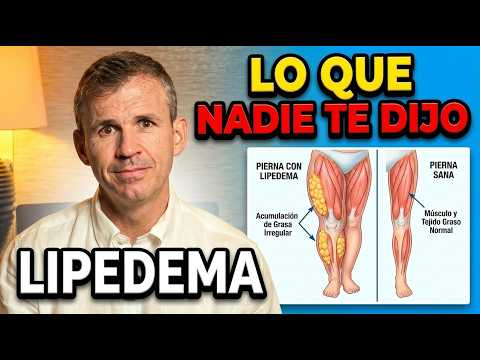
Diagnosis is mainly clinical. Duplex ultrasound helps rule out other causes of swelling, such as thrombosis or venous insufficiency, and in selected cases specific tests of the lymphatic system are used, such as lymphoscintigraphy. It is also important to distinguish it from lipoedema, a painful build-up of fat in the legs that is often mistaken for lymphoedema or excess weight.
Treatment
The consensus of the International Society of Lymphology establishes complete decongestive therapy as the basis of treatment, in two phases:
- Intensive phase: manual lymphatic drainage, multilayer bandaging, specific exercises and skin care, to reduce volume.
- Maintenance phase: made-to-measure compression garments, exercise and skin care, to keep the results achieved.
Weight control and preventing infections are key. In selected cases there are surgical techniques, such as lymphaticovenous anastomosis or lymph node transfer, which are assessed in specialised units.
Videos on this topic (in Spanish)

References
- Executive Committee of the International Society of Lymphology. The diagnosis and treatment of peripheral lymphedema: 2020 Consensus Document of the International Society of Lymphology. Lymphology. 2020;53(1):3-19.
Patient information reviewed by Dr Óscar Merino, vascular surgeon. It does not replace an individual medical assessment.
Would you like an assessment?
Consultation with duplex ultrasound at Clínica Rotger, in the centre of Palma.
Follow me
Weekly tips on circulation and vascular health (in Spanish).